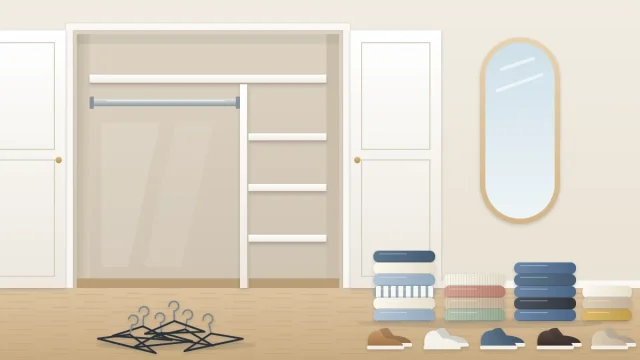
How to Organize a Closet Step by Step
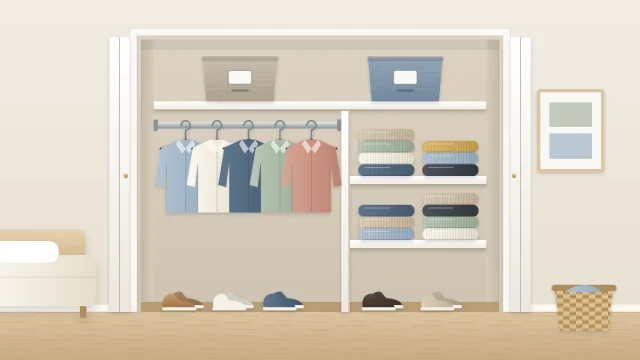
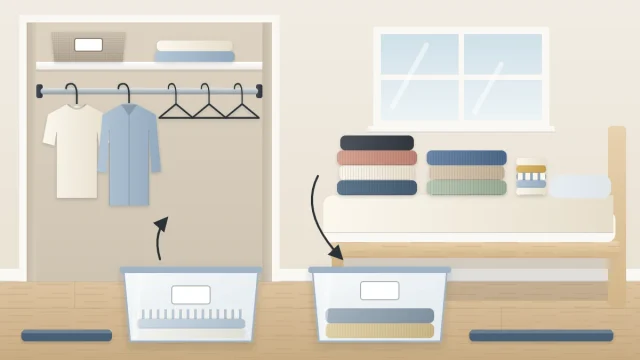
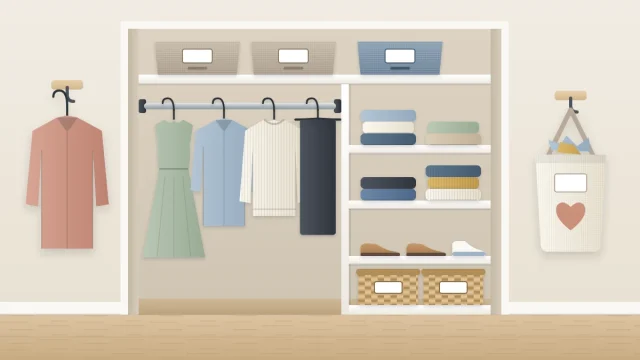
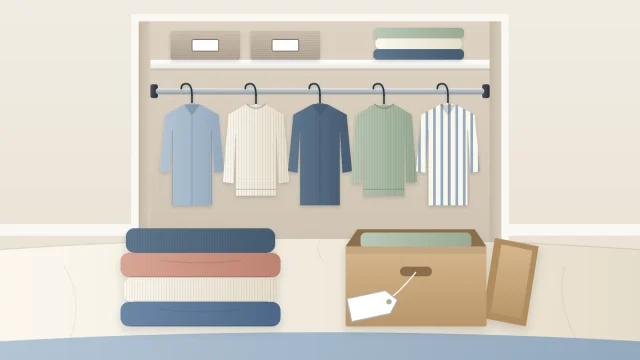
The complete sequence for organizing a closet in ten short steps, from measuring and emptying one section at a time to assigning zones, refilling, containing small items and adjusting after two weeks.
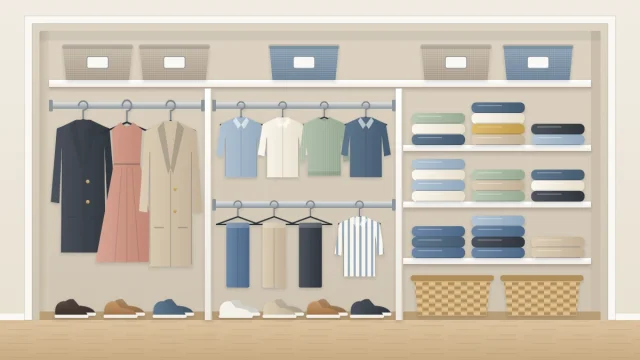
Simple Storage Ideas for Better Closets
30 guides published
The complete sequence for organizing a closet in ten short steps, from measuring and emptying one section at a time to assigning zones, refilling, containing small items and adjusting after two weeks.
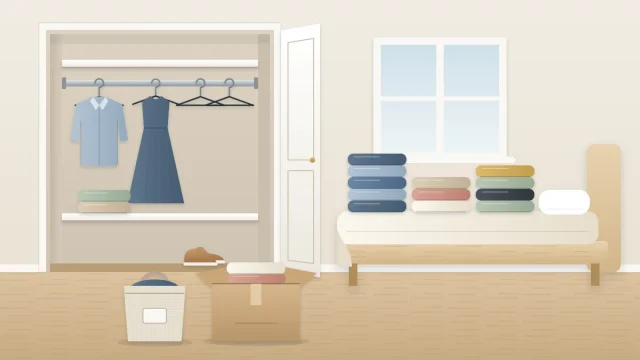
How to divide a closet into zones that each hold one category, place them by how often you reach for them, mark their edges, and adjust the layout after a few weeks of real use.
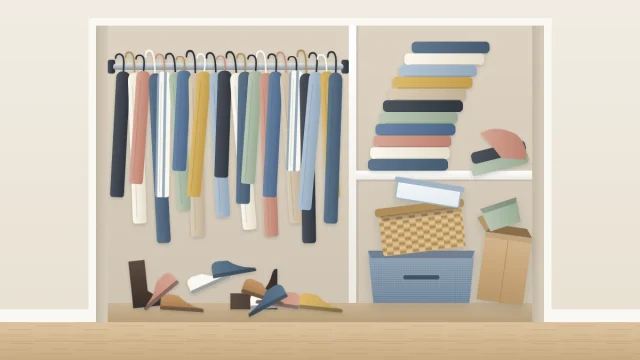
A calm method for reducing an overfull closet: set up four destinations, work one category at a time, handle each item once, and end every session with the outgoing clothes out of the room.
A plain starting point for a messy closet: what an organized closet really is, what each part of the closet is good for, the five stages in the order that works, and a first session small enough to finish.
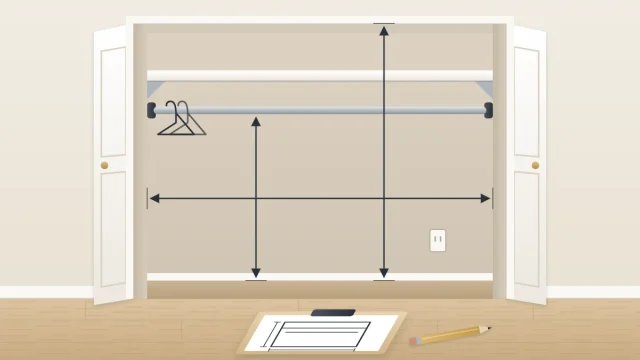
Measure a closet properly before buying shelves, organizers or bins: draw two sketches, record eight sets of measurements, count what you own by length group, and turn the numbers into a layout on paper.
A repeatable nine-step routine for swapping warm- and cold-weather clothes: when to do it, what to gather, the order that keeps the two seasons from mixing, and a lighter version for mild climates.
Eleven common reasons an organized closet does not stay that way, from buying bins too early to skipping labels and routines, each with a plain explanation and a fix you can apply one at a time.
Closets drift when things come in, go back in the nearest gap and wait in laundry baskets. This three-layer routine of daily, weekly and seasonal steps, plus four small habits, keeps the order you built.
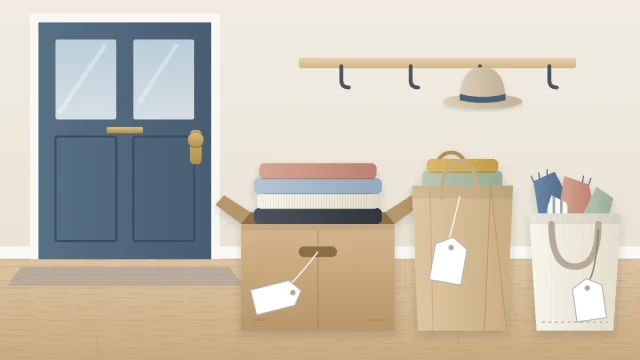
Sort outgoing clothes by condition, then choose a route: give, donate, sell or swap what is wearable, and recycle or reuse what is not. Plus the habits that get the bags out of the house on time.
A decision aid for the maybe pile. Find the reason an item is hard to let go, whether cost, a gift, fit, a rare occasion, a memory or a spare, and use the matching question, limit, date or count.
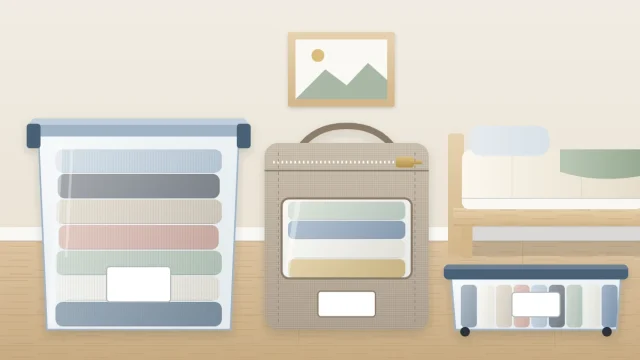
Store off-season clothes so they come back out in good condition: clean and dry them, fold knits and hang structured coats, pick a suitable container and keep it somewhere cool, dry and dark.
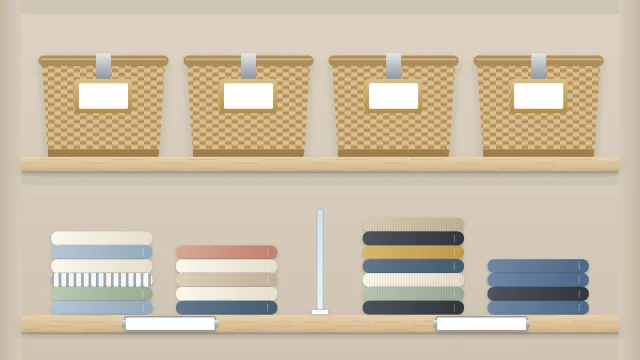
Labels tell everyone, including you in three months, where things go back. Follow seven steps to name, place and review labels on bins, shelf edges and hanging sections, with a comparison of label types.
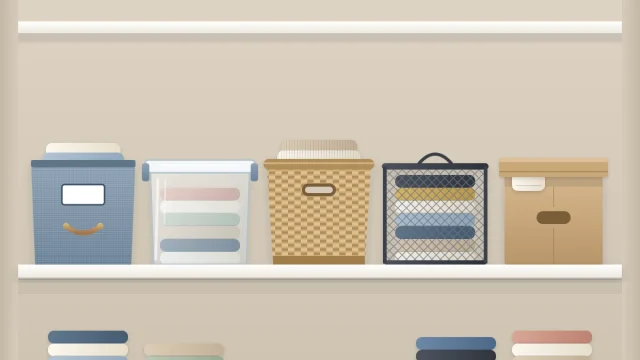
Bins are the last step of organizing a closet, not the first. Learn how to measure the shelf, pick a size, and choose between open and lidded, clear and opaque, and five common materials.
The upper closet shelf works when it holds only what you reach rarely and every item sits in a container. Here is what belongs up there, how to choose bins you can lift down, and how to reach them safely.
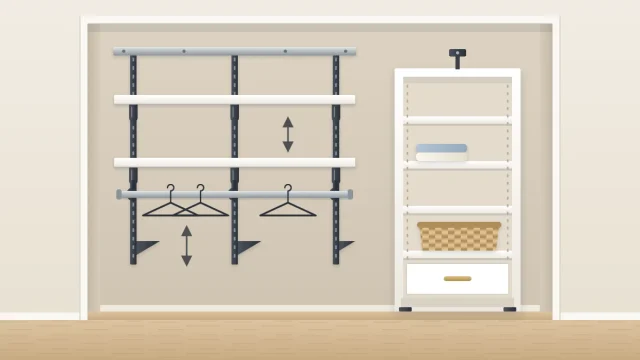
A plain-words overview of closet hardware: fixed shelves and rods, adjustable systems, freestanding towers, tension rods, hanging fabric shelves and add-on rods, with how to choose and what to measure.
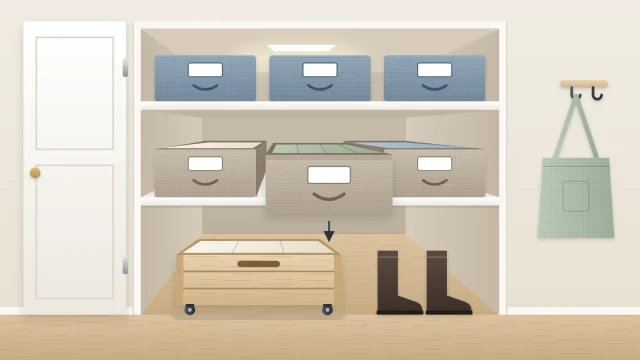
In a deep closet, things disappear at the back. Organize it in front-to-back lanes, use bins and rolling containers that slide out like drawers, and keep the back row for off-season items.